Plumbing · the USA
Every call begins with a full walkthrough of the affected area. Technicians document existing conditions and explain options before any work starts. Follow-up notes are left for the property owner that list what was replaced and what remains in service.
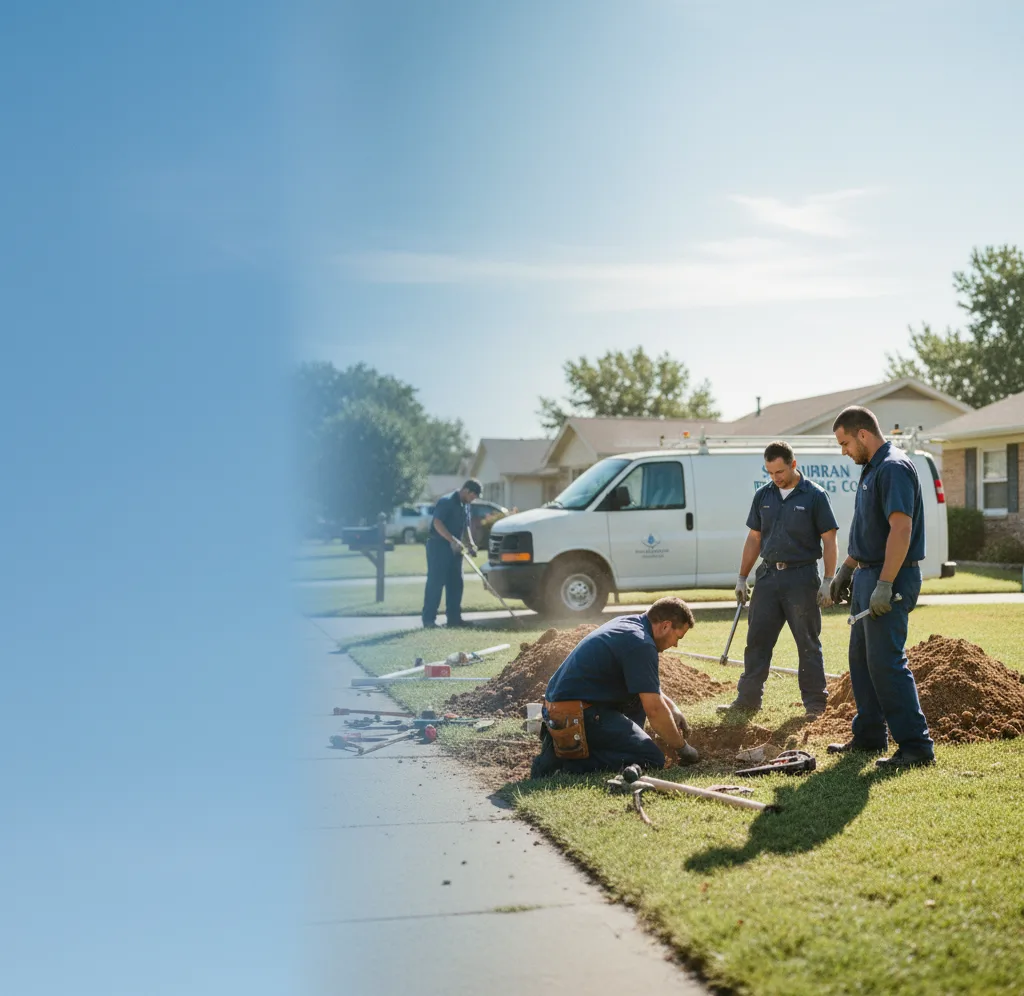
Sudden drops in water pressure often point to a break or severe corrosion somewhere in the line. Water may look discolored or carry small particles when the supply is turned back on after a shutoff. Floorboards that feel soft or walls with new stains usually mean water has escaped behind the surface. Checking the main shutoff valve location and noting which fixtures are affected helps narrow the search area before tools come out.
Technicians start at the meter or main entry point and work downstream, listening for running water in walls or under slabs. Accessible joints get checked for moisture or mineral buildup that signals slow seepage. In older homes, galvanized sections are compared against remaining copper or PVC runs to estimate how much of the system may need attention. Once the damaged section is isolated, the repair method depends on whether access is through an open ceiling, an exterior wall, or a crawl space.
FAQ
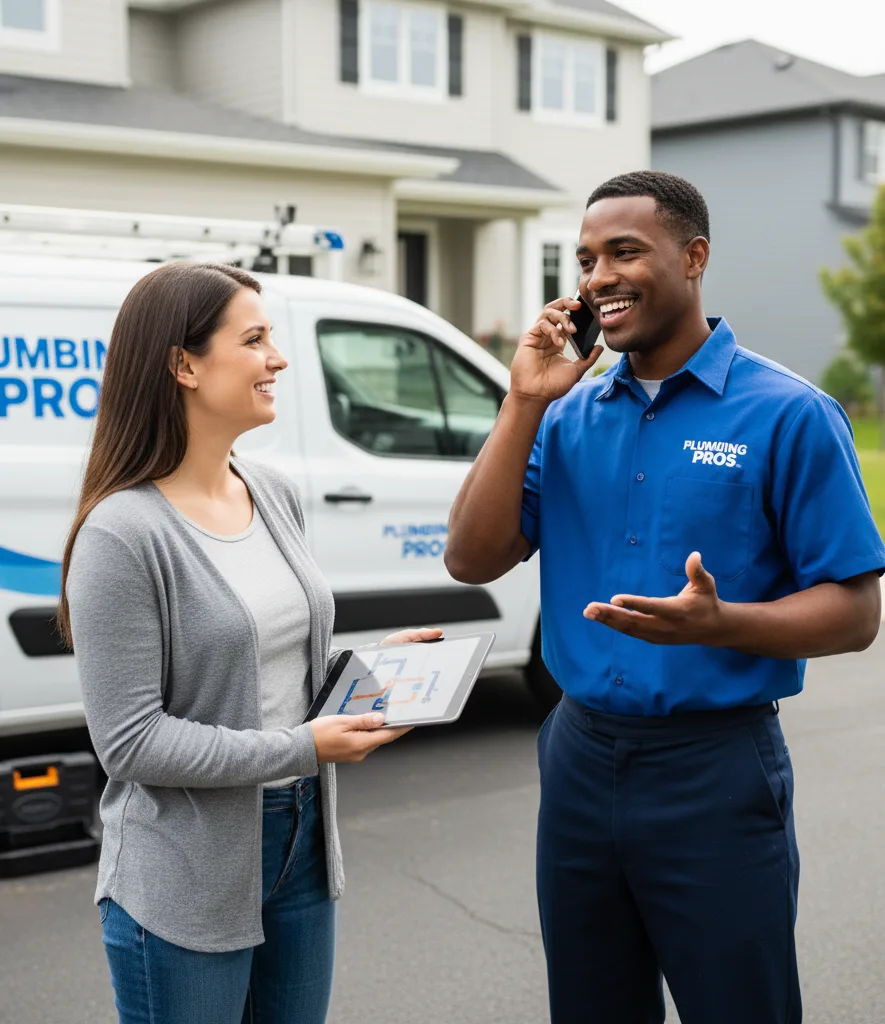
Visible rust on the exterior, repeated leaks at the seams, or an age over ten to twelve years are strong indicators that the tank lining has deteriorated. When the cost of repeated repairs approaches the price of a new unit, replacement is often the more practical choice. We can measure the remaining life of the anode rod during a visit to help judge the tank's condition.
Yes, turning off the power at the breaker or the gas supply valve is safe and can prevent further damage if a leak is present. Leave the cold-water inlet valve open unless water is actively running out of the unit. We will handle the rest of the shutdown steps once on site.
The most common reasons are a failed heating element, a tripped high-limit switch, or a thermostat that no longer reads temperature correctly. Sediment that has built up around the element can also prevent heat transfer. A quick test with a multimeter or voltage checker usually shows which part has stopped working.
Water Heater Repair & Plumber across the USA. Call (888) 328-1748.
Call (888) 328-1748