Plumbing · the USA
The company follows documented procedures for diagnostics and repairs so results remain predictable from one location to the next. Parts are chosen for compatibility rather than lowest price, and every completed job includes a written summary of work performed.
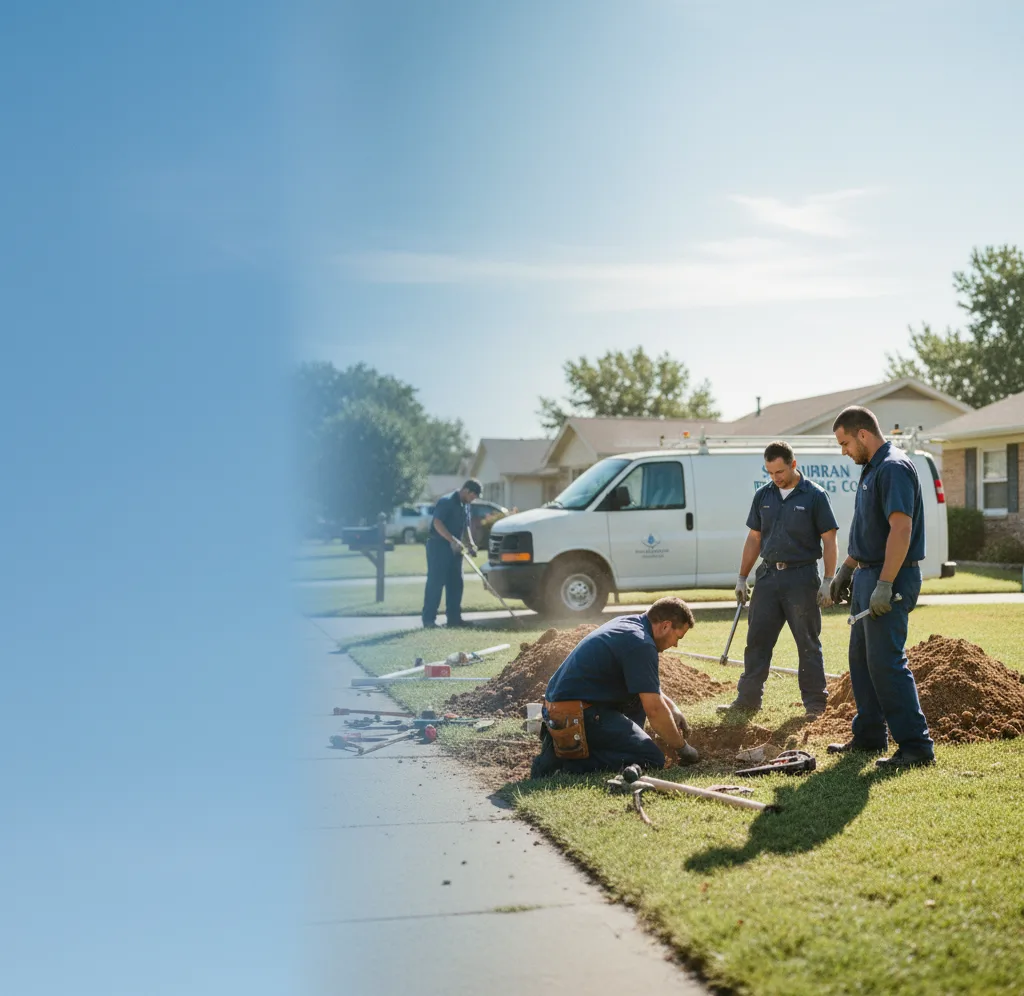
Homeowners often notice changes in water temperature, unusual noises from the tank, or visible leaks around the base of the unit. These signs usually point to sediment buildup, worn heating elements, or corrosion inside the tank. A service visit begins with draining a small amount of water to check for rust or mineral deposits that interfere with heating performance. Next comes testing the pressure relief valve, then an inspection of the thermostat settings and wiring on electric models or the burner assembly on gas units. Once the root cause is confirmed, the technician explains the findings and outlines repair options that restore reliable hot water without unnecessary part replacements.
The process starts with confirming the model and age of the water heater to decide whether repair or replacement makes more sense. Access panels come off, and connections get checked for leaks or loose fittings that can reduce efficiency. If the issue involves the anode rod, it is replaced to slow future corrosion. Heating elements or gas valves are swapped only after confirming they have failed through direct testing rather than guesswork. Final steps include refilling the tank, bleeding air from the lines, and verifying that temperature and pressure return to normal operating levels.
FAQ

Visible rust on the exterior, repeated leaks at the seams, or an age over ten to twelve years are strong indicators that the tank lining has deteriorated. When the cost of repeated repairs approaches the price of a new unit, replacement is often the more practical choice. We can measure the remaining life of the anode rod during a visit to help judge the tank's condition.
Yes, turning off the power at the breaker or the gas supply valve is safe and can prevent further damage if a leak is present. Leave the cold-water inlet valve open unless water is actively running out of the unit. We will handle the rest of the shutdown steps once on site.
The most common reasons are a failed heating element, a tripped high-limit switch, or a thermostat that no longer reads temperature correctly. Sediment that has built up around the element can also prevent heat transfer. A quick test with a multimeter or voltage checker usually shows which part has stopped working.
Water Heater Repair & Plumber across the USA. Call (888) 328-1748.
Call (888) 328-1748