Plumbing · the USA
The company selects inspection tools based on pipe material, access points, and whether the property is occupied. Findings are explained with photos so owners understand the options before any opening is made.
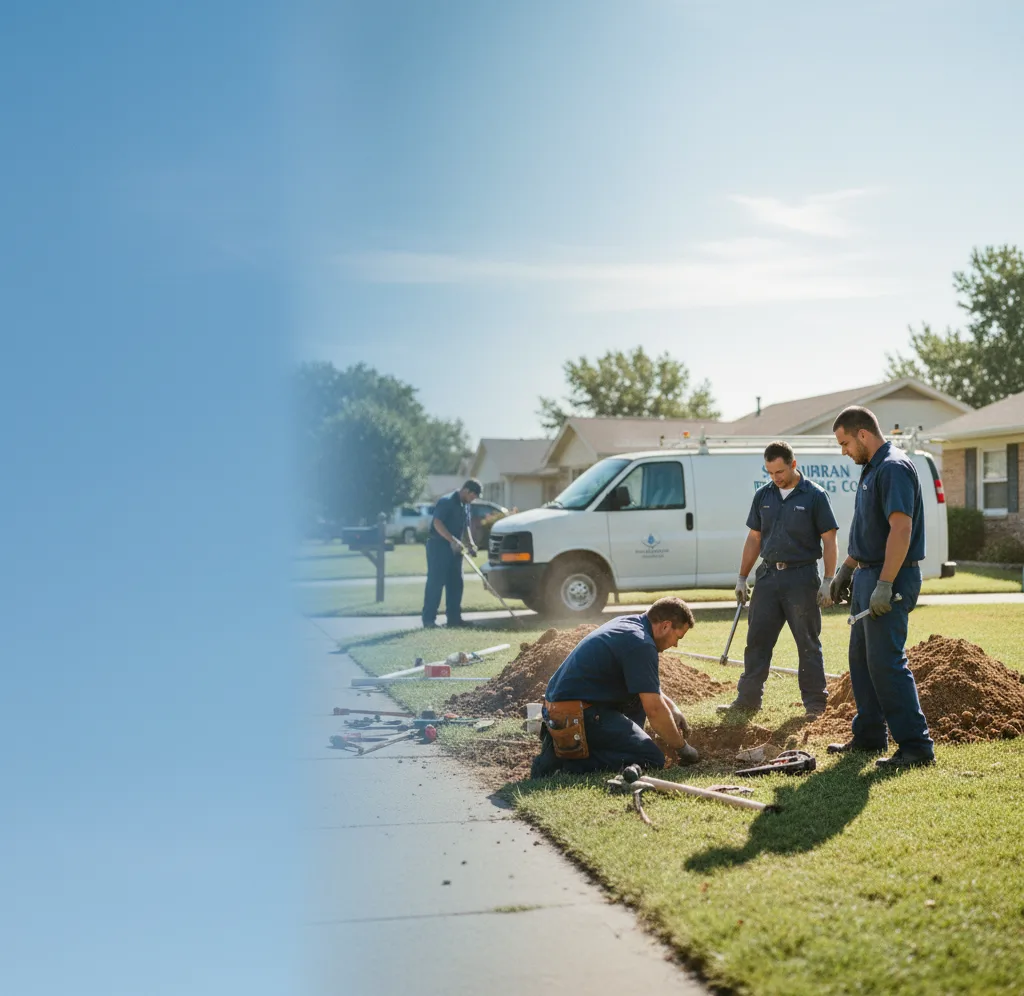
Homeowners often notice higher than expected water bills or warm spots on flooring when a supply line develops a pinhole leak. Discolored drywall or peeling paint can show up days or weeks later once moisture reaches the surface. A faint hissing sound near a fixture may also point to pressurized water moving through a small opening. Emergency plumbing technicians start by shutting off individual valves to isolate sections of pipe and watching the meter for continued movement. They then use acoustic amplifiers that pick up the sound of water escaping under pressure. Once the general area is identified, a small access hole is made so a camera can confirm the exact spot and condition of the pipe. This sequence limits the amount of demolition required for sewer line repair.
Older galvanized steel lines corrode from the inside and develop leaks at threaded joints after decades of use. Copper tubing can develop pinholes where flux residue was left during installation or where water chemistry is aggressive. Polybutylene piping installed in the 1980s and 1990s has shown a tendency to crack at fittings under repeated pressure changes. Technicians examine exposed sections for corrosion scale, green staining on copper, or brittle plastic surfaces. They also review the home’s age and any recent remodeling that might have disturbed lines. These details help decide whether spot repair or partial repiping is the practical next step.
FAQ

Visible rust on the exterior, repeated leaks at the seams, or an age over ten to twelve years are strong indicators that the tank lining has deteriorated. When the cost of repeated repairs approaches the price of a new unit, replacement is often the more practical choice. We can measure the remaining life of the anode rod during a visit to help judge the tank's condition.
Yes, turning off the power at the breaker or the gas supply valve is safe and can prevent further damage if a leak is present. Leave the cold-water inlet valve open unless water is actively running out of the unit. We will handle the rest of the shutdown steps once on site.
The most common reasons are a failed heating element, a tripped high-limit switch, or a thermostat that no longer reads temperature correctly. Sediment that has built up around the element can also prevent heat transfer. A quick test with a multimeter or voltage checker usually shows which part has stopped working.
Water Heater Repair & Plumber across the USA. Call (888) 328-1748.
Call (888) 328-1748