Plumbing · the USA
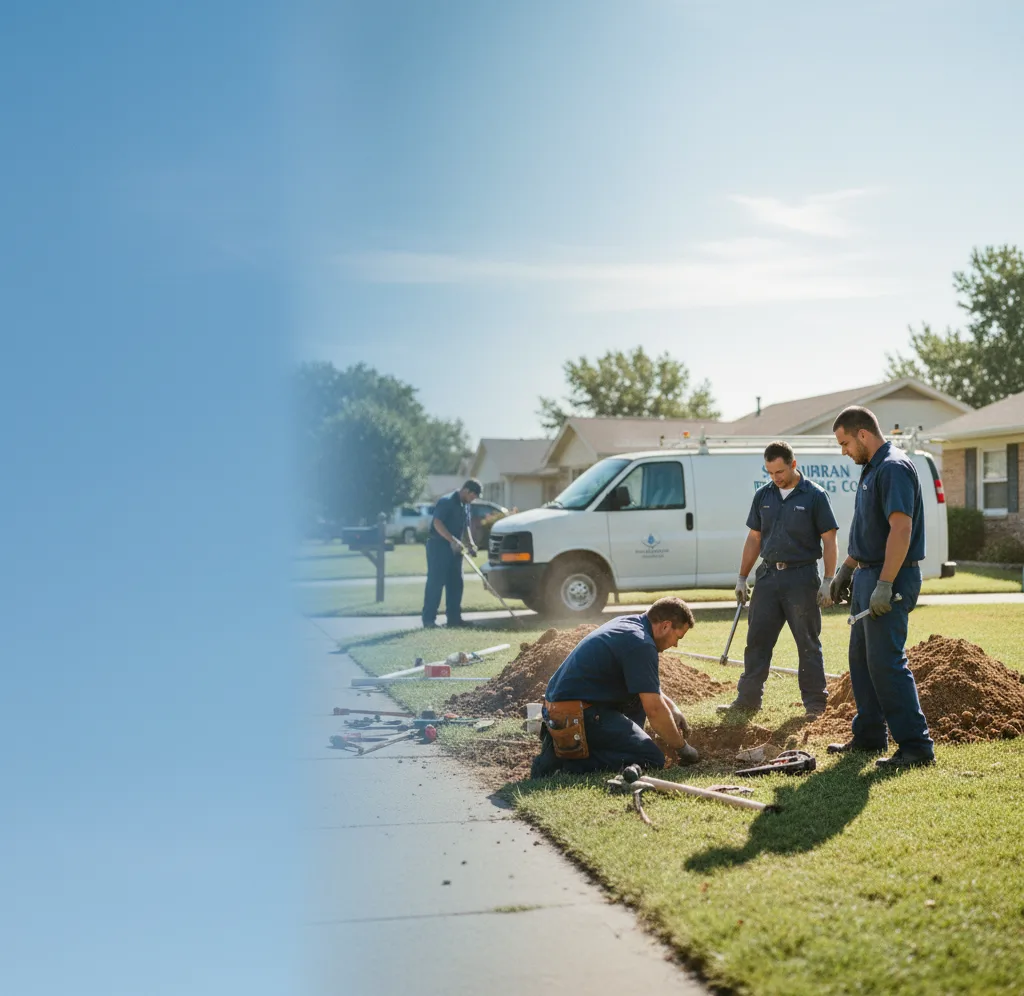
Technicians match nozzle type and water pressure to the pipe material and the type of buildup present. Every visit includes a camera record before and after so the property owner can see the change. The crew works from existing access points whenever possible.
Hydrojetting sends a focused stream of water through the pipe at pressures high enough to cut through grease, soap residue, and mineral scale that a cable often leaves behind. The nozzle moves forward while jets also point backward, so loosened material gets flushed out instead of settling farther down the line. Over time, repeated slow drains or recurring odors usually point to this kind of buildup rather than a single object lodged in the pipe. Homeowners may first notice water pooling in multiple fixtures or hear gurgling sounds that travel between rooms. A camera inspection before the work shows the thickness and location of the material so the operator can choose the right nozzle size and pressure setting. After the line runs clear, a second look confirms nothing remains attached to the walls that could restart the problem within weeks.
The hose carries water at several thousand pounds per square inch, but the nozzle design spreads the force in a controlled pattern that scours without cutting through the pipe material itself. Different tips handle different conditions: some cut through tree root fibers while others focus on breaking apart hardened grease. The operator keeps the hose moving at a steady pace so the water does not linger in one spot long enough to erode joints. Because the method works from inside the line, it reaches sections that would otherwise require digging to access. The water also flushes fine particles that a mechanical snake tends to push aside, leaving the pipe noticeably smoother on the follow-up camera view.
FAQ

Visible rust on the exterior, repeated leaks at the seams, or an age over ten to twelve years are strong indicators that the tank lining has deteriorated. When the cost of repeated repairs approaches the price of a new unit, replacement is often the more practical choice. We can measure the remaining life of the anode rod during a visit to help judge the tank's condition.
Yes, turning off the power at the breaker or the gas supply valve is safe and can prevent further damage if a leak is present. Leave the cold-water inlet valve open unless water is actively running out of the unit. We will handle the rest of the shutdown steps once on site.
The most common reasons are a failed heating element, a tripped high-limit switch, or a thermostat that no longer reads temperature correctly. Sediment that has built up around the element can also prevent heat transfer. A quick test with a multimeter or voltage checker usually shows which part has stopped working.
Water Heater Repair & Plumber across the USA. Call (888) 328-1748.
Call (888) 328-1748