Plumbing · the USA
We inspect first, then select the least invasive repair that restores reliable flow. Every crew works from documented findings rather than assumptions about pipe age or material. When hidden moisture or seepage is suspected, leak detection tools help confirm the scope before any repair begins.
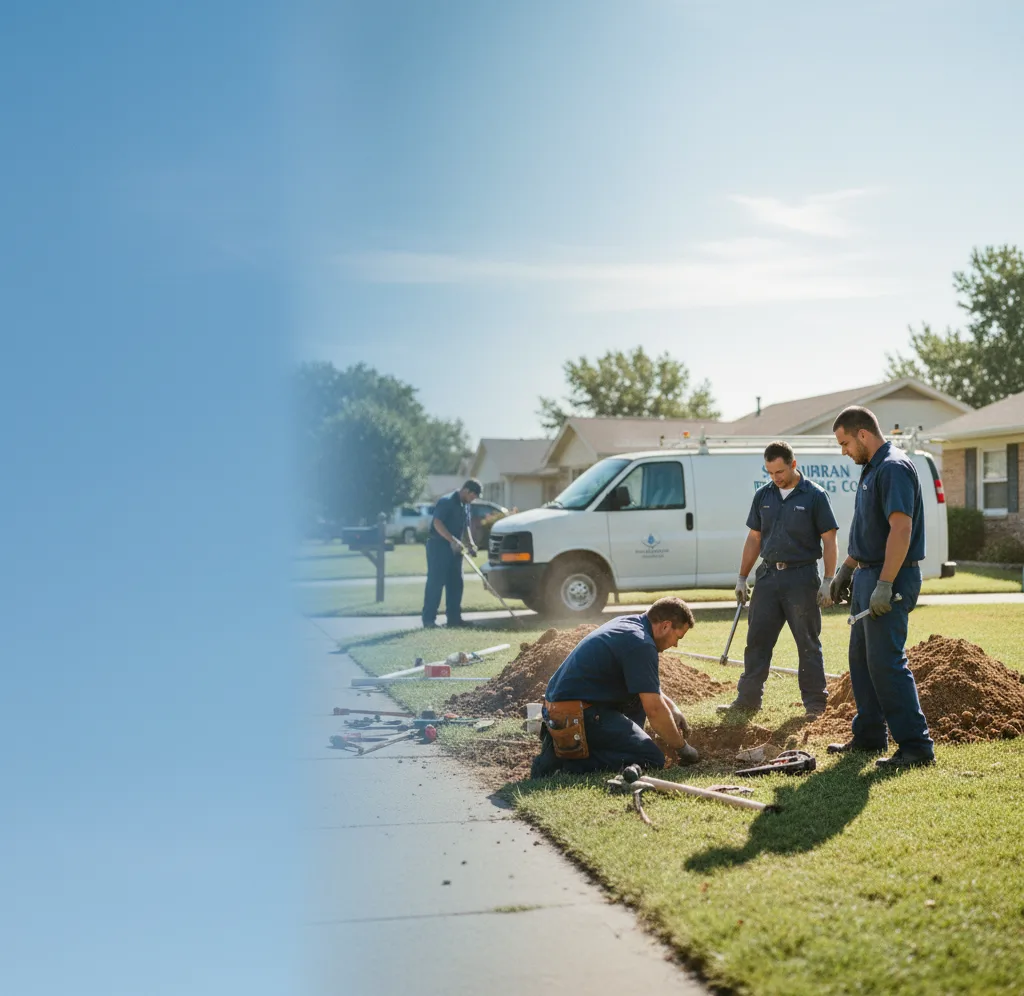
Multiple slow drains at once, gurgling sounds from toilets, or water backing up in lower fixtures often indicate trouble farther down the main line rather than a simple clog in one fixture that drain cleaning would resolve. A seasoned plumber checks the entire run from cleanouts to the street connection to determine whether roots, pipe offset, or collapse is present. In older homes the original clay or cast-iron sections may have separated at joints, allowing soil or debris to enter and restrict flow. Homeowners can sometimes confirm the issue by running water in an upstairs tub while watching a basement floor drain; simultaneous backup suggests the problem lies in the shared sewer line. Once the camera reaches the affected section, the footage reveals whether a spot repair, full replacement, or hydrojetting will restore proper function.
The technician begins at the exterior cleanout or roof vent and feeds the camera while recording distance markers so the property owner can see the precise location of any defect. Common findings include root intrusion at joints, bellied pipe that collects grease, or offset sections caused by ground movement. The inspection also checks for illegal connections or collapsed sections near the foundation that might require more extensive work. After the camera run, the plumber explains the options, including whether a trenchless sleeve can be pulled through the existing pipe or if excavation is unavoidable because of the pipe material and depth. When issues appear urgent, emergency plumbing crews can respond quickly to stabilize the line.
FAQ

Visible rust on the exterior, repeated leaks at the seams, or an age over ten to twelve years are strong indicators that the tank lining has deteriorated. When the cost of repeated repairs approaches the price of a new unit, replacement is often the more practical choice. We can measure the remaining life of the anode rod during a visit to help judge the tank's condition.
Yes, turning off the power at the breaker or the gas supply valve is safe and can prevent further damage if a leak is present. Leave the cold-water inlet valve open unless water is actively running out of the unit. We will handle the rest of the shutdown steps once on site.
The most common reasons are a failed heating element, a tripped high-limit switch, or a thermostat that no longer reads temperature correctly. Sediment that has built up around the element can also prevent heat transfer. A quick test with a multimeter or voltage checker usually shows which part has stopped working.
Water Heater Repair & Plumber across the USA. Call (888) 328-1748.
Call (888) 328-1748