Plumbing · the USA
We focus on locating the actual restriction rather than treating every symptom the same way. Each visit ends with notes on pipe condition that can guide future maintenance decisions.
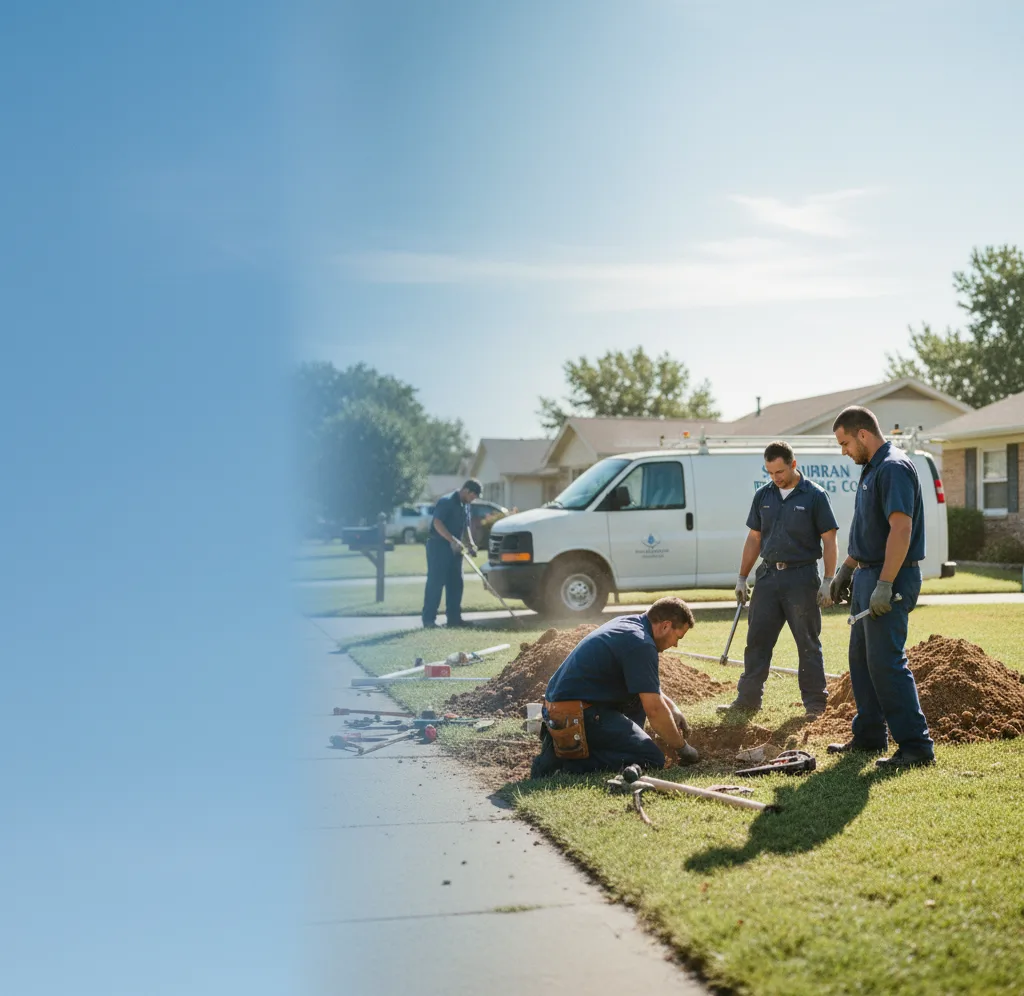
A drain that empties slowly or gurgles often points to a partial obstruction farther down the line. Homeowners may first notice water pooling around a shower or sink, followed by odors rising from the trap. Left alone, these early signs can grow into complete stoppages that affect multiple fixtures. Our technicians begin by running a camera through accessible cleanouts to see the material causing the slowdown. Grease, hair, soap residue, and tree roots each leave distinct patterns on the recording. Once the location and type of buildup are known, the right tool can be selected without exploratory wall or floor removal. This approach keeps the work focused and reduces the chance of missing a secondary clog in another branch of the system.
Most residential calls involve a combination of organic waste and mineral scale. In kitchen lines, congealed cooking oils mix with food particles to form a sticky mass that narrows the pipe diameter over time. Bathroom drains more often collect strands of hair bound together by soap scum. Main sewer lines can be invaded by roots seeking moisture, especially in older clay or cast-iron sections. Technicians note the pipe material and diameter on site because these details influence whether a cable machine, hydro jetting, or sectional cutter is appropriate. After clearing, a follow-up camera pass confirms that the waterway is open and that no hidden damage remains. When a stoppage resists standard methods, sewer line repair may be needed to restore full flow. Persistent slow drains can also signal the need for leak detection to rule out hidden issues elsewhere in the system. For urgent cases that arise outside normal hours, emergency plumbing ensures the problem is addressed without delay. Some properties benefit from pairing drain work with water heater repair when sediment buildup affects both systems. A proactive water heater installation can further reduce the risk of related clogs in the future.
FAQ

Visible rust on the exterior, repeated leaks at the seams, or an age over ten to twelve years are strong indicators that the tank lining has deteriorated. When the cost of repeated repairs approaches the price of a new unit, replacement is often the more practical choice. We can measure the remaining life of the anode rod during a visit to help judge the tank's condition.
Yes, turning off the power at the breaker or the gas supply valve is safe and can prevent further damage if a leak is present. Leave the cold-water inlet valve open unless water is actively running out of the unit. We will handle the rest of the shutdown steps once on site.
The most common reasons are a failed heating element, a tripped high-limit switch, or a thermostat that no longer reads temperature correctly. Sediment that has built up around the element can also prevent heat transfer. A quick test with a multimeter or voltage checker usually shows which part has stopped working.
Water Heater Repair & Plumber across the USA. Call (888) 328-1748.
Call (888) 328-1748